Full Manual to Water Damage Restoration Services: What You Need to Know
Water damage can arise from multiple origins, often leading to significant structural and health concerns. Comprehending the immediate steps to implement is crucial. A thorough assessment can prevent further problems and assist with processing coverage claims. The cleanup process demands meticulous attention to detail. However, the choice of a dependable repair company often becomes a crucial element in effective restoration. What approaches can property owners employ to protect their properties against future occurrences?
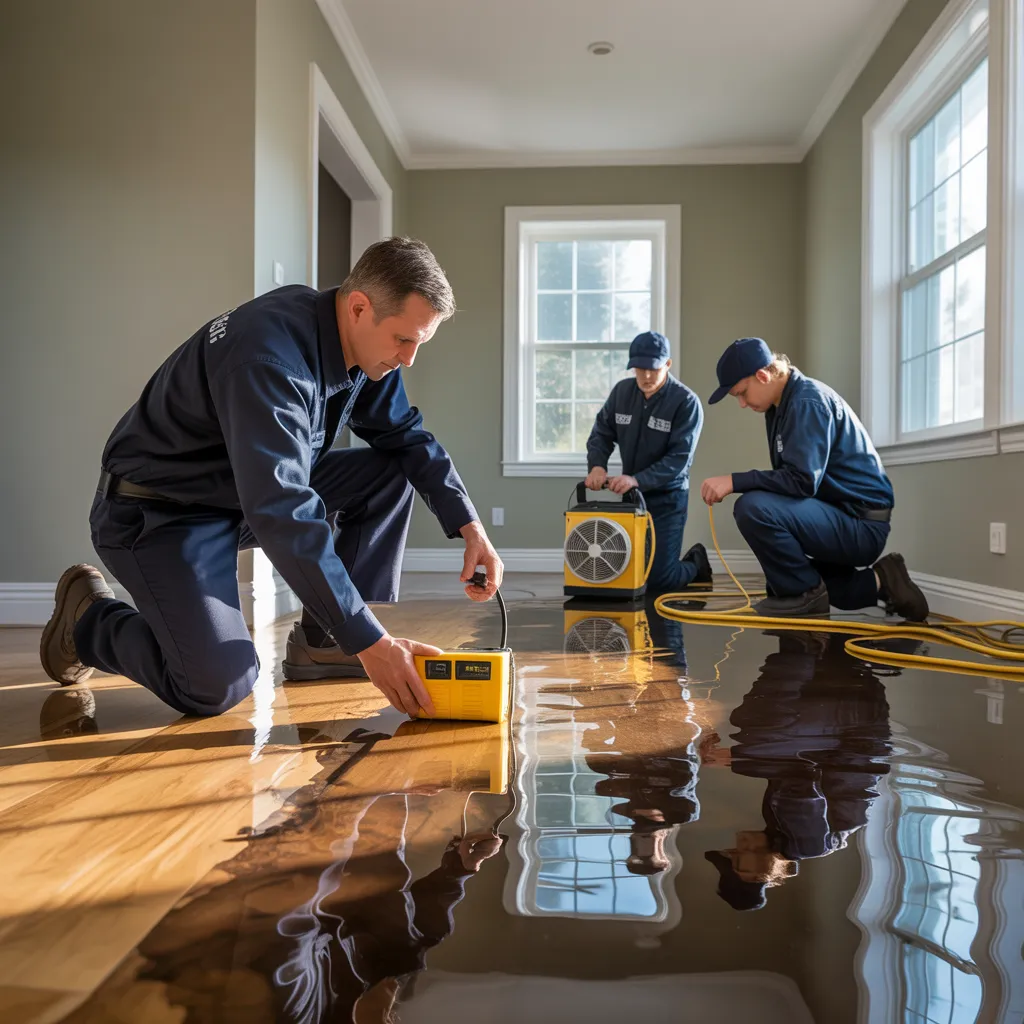
Understanding Water Damage Red Flags: Source Causes and Rapid Response
Detecting water damage demands careful monitoring and prompt action. Common causes are roof leakages, plumbing failures, and flooding. These problems can show up as visible stains, mold growth, or warped materials. Homeowners should regularly inspect areas prone to moisture, such as basements, bathrooms, and additional info kitchens, noticing discoloration or smells of mold that may indicate hidden damage.
In conjunction with visual indicators, assessing for heightened humidity levels can signal water damage. If any proof of harm are recognized, rapid response is vital. This may include halting water flow, removing accumulated water, or air drying surfaces to avoid additional harm. Postponing your response can amplify problems, causing foundational damage and medical risks. Detecting and fixing water damage rapidly can lower extensive repair costs and strengthen the longevity and protection of the property.
The Importance of Immediate Water Damage Inspection
An urgent water damage assessment is essential for establishing the degree of damage and avoiding subsequent problems. Timely assessment not only aids in successful repair but also facilitates the insurance process. Handling water damage quickly can significantly mitigate long-term consequences on property and finances.
Speedy Damage Diagnosis
Swift damage assessment plays an essential role in effective water damage recovery. Prompt evaluation enables property owners and restoration professionals to gauge the extent of the damage, which is critical for identifying the necessary remediation steps. Timely identification enables a comprehensive examination of affected areas, including hidden spaces like walls, floors, and ceilings, where moisture may linger and cause further deterioration. Additionally, quick detection helps in mitigating potential health risks linked to mold growth and structural instability. By promptly evaluating the damage, restoration teams can develop a focused action plan, rank repairs, and allocate resources effectively. Ultimately, swift damage identification is pivotal in reducing losses and ensuring a successful restoration outcome.
Avoiding Further Complications
Once an initial assessment of water damage is complete, the next step involves a detailed inspection to stop further complications. This appraisal is indispensable in identifying areas at risk for mold growth, structural instability, and electrical hazards. Professionals typically survey affected materials, including drywall, flooring, and insulation, to determine their condition and whether they necessitate replacement or drying. Immediate action can mitigate long-term damage, ensuring that moisture is promptly eliminated and the environment is stabilized. Additionally, confronting potential sources of water intrusion, such as leaks or drainage issues, is essential. By centering on swift and extensive evaluations, property owners can shield their investments and maintain a safe living environment, curbing the likelihood of extensive repairs and health risks in the future.
Insurance Claim Assistance
Documenting water damage quickly is crucial for property owners pursuing insurance claims. An immediate assessment helps determine the extent of the damage, which is critical for filing a successful claim. Insurance companies often demand detailed evidence, including photographs and reports from restoration professionals. This documentation should include the source of the water, the affected areas, and any immediate actions taken to reduce further damage.
Hiring a restoration service can streamline this procedure, as they possess the knowledge to provide accurate assessments. Furthermore, prompt record-keeping can prevent issues in claim submission, guaranteeing that homeowners obtain the necessary financial support for repairs. In the end, swift action can greatly influence the outcome of an insurance claim related to water damage.
Water Damage Restoration Procedure Breakdown
The water restoration process entails several essential steps to successfully repair a property. First, pinpointing the source of the water seepage is critical to stop further damage. Next, the area must be properly cleared, ensuring that all occupants are moved to a protected location. Once the space is clear, water drainage begins, employing specialized equipment to remove standing water.
Following extraction, the evaporation phase commences, which involves moisture absorbers and air circulators to remove dampness from carpets, walls, and furniture. This step is important to prevent fungal development and structural damage. After drying, the cleansing and disinfecting of affected surfaces occur, ensuring that contaminants are removed. Finally, any damaged materials, such as drywall or flooring, should be replaced. Completing these steps thoroughly is essential for effective restoration and to return the property to its pre-damage condition.
Efficient Recovery Procedures for Water Damage
Effective repair methods for water damage emphasize important steps that guarantee thorough recovery. Water extraction methods are crucial to remove surplus water, then drying and dehumidification to prevent further issues. Additionally, establishing mold prevention strategies is essential to protect damaged spaces from subsequent mold growth.
Water Recovery Procedures
Water extraction approaches are crucial in mitigating damage following flooding or leaks. These methods are essential for eliminating standing water rapidly to avoid further structural damage and mold growth. Common techniques feature the use of submersible pumps, which efficiently expel large volumes of water from affected areas. Additionally, truck-mounted vacuums can handle substantial extraction tasks, making them ideal for extensive flooding situations. Portable extractors also serve well in confined spaces, facilitating targeted water removal. The success of these methods relies on prompt action and the severity of the water intrusion. Utilizing the appropriate equipment ensures a thorough approach to water extraction, setting the stage for subsequent restoration efforts.

Drying and Humidity Reduction
Thorough drying and dehumidification play a important role in restoring properties affected by water damage. Drying effectively involves using professional-grade equipment, like advanced air movers and industrial dehumidifiers, to remove moisture from the impacted areas. This operation starts within 24 to 48 hours post-extraction to stop further damage. Moisture levels are tracked with hygrometers to confirm that all spaces achieve proper dryness, especially concealed ones such as walls and flooring underlay. Dehumidification helps maintain ideal humidity, avoiding secondary complications. The blend of adequate air circulation and dehumidification works to decrease the chance of lingering moisture that might threaten structural stability. In the end, a detailed approach to drying and dehumidification is vital for successful water damage restoration.
Mold Prevention Tactics
The avoidance of mold is key after water damage, as even small quantities of residual moisture may promote substantial growth. Effective approaches encompass comprehensive drying and dehumidification of affected areas, preferably within 24 to 48 hours following exposure. Utilizing air movers and dehumidifiers reduces humidity, while sealing leaks or cracks prevents moisture from entering again. Routine inspections of concealed areas, including attics and basements, help identify possible mold growth early on. It is also advisable to sustain proper ventilation indoors and to choose mold-resistant products during renovations. Finally, adopting a proactive method such as monitoring humidity can greatly minimize mold risks and protect the property's integrity.
What You Should Know When Repairing Structural Damage
Repairing building deterioration demands a comprehensive knowledge of both the degree of injury and the required procedures for restoration. Initially, a detailed assessment is conducted to locate affected areas, including partitions, surfaces, and foundations. This evaluation informs the restoration work, ensuring that all compromised structures are handled.
Next, debris removal and water extraction are crucial. Effective drying circumvents further deterioration and equips the site for repairs. After dehydration, specialists may bolster or replace damaged materials, such as beams or drywall, using effective approaches to rebuild durability.
Inspections are conducted to verify adherence with safety requirements. Ultimately, finishing touches, like painting and flooring, are added to replicate the original appearance. Throughout the project, clear communication with homeowners is crucial, providing updates and setting realistic expectations. Understanding these stages helps homeowners manage the complexities of structural repair after water damage.
Select a Reliable Water-Related Damage Recovery Provider
What steps can property owners validate they determine a credible water damage restoration service? First, extensive examination is vital. Property owners should discover companies with strong reputations, often indicated by online evaluations and testimonials. Checking for licenses and licenses can further authenticate that the service respects industry standards.
Finally, securing several estimates assists homeowners in comparing offerings while determining transparency in pricing. A dependable business should give transparent quotes without hidden fees. Additionally, evaluating technician experience can reveal the company's expertise in handling specific types of water damage.
Additionally, fast turnaround times are vital; a trustworthy service should be available 24/7 to handle emergencies. Ultimately, verifying that the company offers an expansive range of services—including water extraction, drying, and repairs—can guarantee that all aspects of the restoration process are covered. By following these guidelines, homeowners can make well-informed decisions and secure effective water damage restoration.
Tips for Preventing Upcoming Water-Related Damage in Your Home
After choosing a reliable water damage restoration service, homeowners can take proactive steps to reduce the risk of future incidents. Routine checks of plumbing and appliances are crucial; leaks can form subtly over time. Homeowners should also make certain that gutters and downspouts are unobstructed, channeling water away from the foundation. Adding sump pumps in basements can efficiently control excess water during heavy rains.
An important approach is to ensure adequate ventilation in locations susceptible to humidity, such as bathrooms and kitchens. This can be done through air extraction systems or humidity control devices. Additionally, residents should evaluate utilizing leak detection systems that activate alarms when moisture is sensed, delivering prompt notifications.
In conclusion, verifying that the home's foundation is well-drained and correctly pitched can stop water collection. By adopting these techniques, homeowners can greatly reduce the likelihood of water damage in their homes.
Questions That Are Regularly Asked
How Much Does Water Damage Repair? Typical Price
Typically, water damage restoration ranges from $1,000 and $5,000, depending on the extent of the damage. Factors influencing the overall price include the size of the affected area, severity, and necessary repairs or replacements.
Will My Insurance Pay for Water Damage Restoration Expenses?
Water damage repair coverage differs by policy and situations. Generally, standard homeowners' insurance may include unexpected, unintentional damage, while flood damage often requires dedicated flood insurance. Examining the policy details is vital for clarity.
How much duration does the restoration work normally take?
The restoration process typically lasts between three days to several weeks, reliant upon the severity of the damage, the dimensions of the impacted zone, and the competency of the repair professionals handling the situation.
Can I Remain in My Home Throughout the Restoration?
Remaining in a home during restoration copyrights on the extent of the harm. If substantial repairs are required, safety concerns may demand temporary displacement. Evaluating indoor air quality and structural condition is vital for making this decision.
How Can I Handle My Belongings During Restoration?
During repair, it is advisable to remove items of value from damaged zones. Possessions should be stored in a secure and moisture-free area to prevent additional deterioration, ensuring both safety and convenient retrieval during the restoration process.